

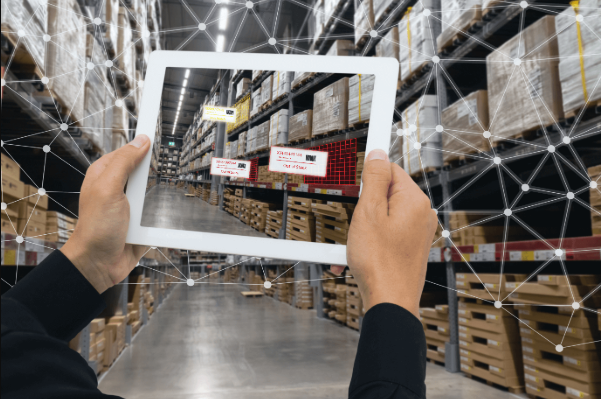
Technology plays a pivotal role in modern logistics, reshaping how businesses operate. It enhances supply chain visibility, ensuring stakeholders remain accountable. Automation reduces errors and expedites processes, while data analytics fosters informed decision-making. Furthermore, improved communication elevates customer experiences. As these elements converge, they create a landscape ripe for innovation. Yet, the true extent of technology’s impact on logistics remains to be fully explored. What transformations lie ahead for those willing to adapt?
How Technology Enhances Supply Chain Visibility
As supply chains grow increasingly complex, technology plays a pivotal role in enhancing visibility across all stages of logistics.
Real-time tracking enables stakeholders to monitor shipments instantly, fostering accountability and responsiveness.
Additionally, supply chain mapping provides a comprehensive overview, allowing for strategic decision-making.
Together, these technological advancements empower businesses to navigate complexities, optimizing operations while promoting transparency and freedom in logistics management.
The Role of Automation in Streamlining Logistics Operations
In an environment where supply chain visibility is paramount, automation emerges as a transformative force in logistics operations.
Warehouse robotics and supply chain automation streamline processes, enhancing efficiency and reducing human error. By integrating automated systems, companies can optimize inventory management, accelerate order fulfillment, and improve overall productivity.
This evolution not only fosters operational freedom but also positions businesses to adapt swiftly to market demands.
See also:The Importance of Responsible AI Development
Utilizing Data Analytics for Informed Decision-Making
Data analytics plays a crucial role in enhancing decision-making within logistics, with studies indicating that organizations utilizing data-driven insights can improve operational efficiency by up to 30%.
Predictive analytics enables firms to anticipate demand fluctuations, while data visualization transforms complex datasets into actionable insights.
This synergy empowers logistics managers to make informed choices, fostering agility and responsiveness in an increasingly dynamic market environment.
The Impact of Technology on Customer Experience in Logistics
While advancements in technology have revolutionized various industries, their influence on customer experience in logistics stands out significantly.
Enhanced customer communication through digital platforms fosters transparency, while real-time delivery tracking empowers consumers with control over their shipments.
This synergy not only elevates satisfaction but also cultivates loyalty, as customers increasingly expect seamless interactions and immediate access to information in an ever-evolving logistics landscape.
Conclusion
In conclusion, technology in modern logistics enhances visibility through real-time tracking, streamlines operations via automation, informs decisions with data analytics, and elevates customer experience through transparent communication. By integrating these technological advancements, companies not only improve efficiency and accountability but also gain a competitive edge. Thus, the synergy of visibility, automation, analytics, and customer engagement creates a robust framework that drives success in an ever-evolving logistical landscape.